Tuesday, August 17, 2010

School Under the Sky


We're determined to do as much outdoor school as possible, since we'll be missing these warm days in a couple of months! Today we spread a blanket on the grass and started our biomes unit study. I'm using Amazing Biome Projects You Can Build Yourself by Donna Latham and Farah Rizvi as a springboard for the unit. We read the introduction, compared different biomes and discussed the threats that each of them face.


Then we used sidewalk chalk to list the eight (nine if you count the oceans) biomes covered in the book.

Super tried to write "tundra" in icy letters, but it was somewhat challenging using chalk on a crumbly sidewalk!

We talked about deciduous and coniferous trees, and found examples of each. Deciduous trees typically grow in areas with four distinct seasons, and they lose their leaves in winter.

Coniferous trees have thick, waxy needles that conserve moisture. They don't lose their leaves, which is why people refer to them as "evergreens."

We have both types in our neighborhood. In fact, we seem to have a little of everything here...


We'll be talking about animal adaptations in our biomes unit study, so we read Animal Senses: How Animals See, Hear, Taste, Smell and Feel by Pamela Hickman and Pat Stephens. Have you ever wondered what it's like to see with compound eyes like an insect?

Or to see ten times better than a human, like a hawk?

We did an experiment to find our field of vision: hold your arms in front of you and slowly move them to your sides. When you can't see them anymore, you have found the limits of your field of vision. We learned that frogs have a huge field of vision because their eyes are on top of their heads. But humans have "binocular vision," meaning we focus both of our eyes on the same thing. We can't see behind us, like a frog, but we can focus better on what's in front of us!

Then it was time for some gumdrop geometry...


Count the Dots to find the number of vertices.


It turns out, our geometric solids are useful as grasshopper catchers, too!

Don't worry, we let him go after lunch!


Thursday, August 12, 2010

Nature Walk


Peace.

Back to the Stone Age

Watch out for woolly mammoths!


And woolly rhinoceroses!


Because we're headed back to 12,000 B.C. when mammoth-hunting nomads roamed the arctic tundra. It's a bit chilly there--you might want to bring a jacket!


My history-loving kids requested this time-travel trip. When Dad asked them what they enjoyed most about last year's history curriculum, they named the Stone Age. (They will correct me if I don't add that there wasn't really one Stone Age, but three main eras: the Paleolithic, the Mesolithic, and the Neolithic ages.) We decided to revisit their favorite time period, just for fun.


We didn't get a chance last year to do this cool project from Step Into the Stone Age. We used Sculpt It to make mammoth tusks and bones.


We fashioned shelters out of bones, skins (craft foam) and leather strips (chenille stems.)


The kids made some little mammoth hunters and animals.


Here is Super's shelter.


Here is Dude's shelter.


This is the side view of Dude's shelter.


And here is Super's campground, complete with fire ring, a stack of fire wood, a cave bear skull, and a man who speared a fish.

We look forward to doing more projects from this book. Tonight we're hoping to catch the Perseids (from the comfort of our porch, not a mammoth-bone shelter!)

Wednesday, August 11, 2010

Nature Stuff


I hadn't really planned to start school until the 23rd, but the kids asked if we could jump in this week. What do you do when your kids are begging to start school? You start school, of course! The simple machines unit was pretty much ready to go, so we started there. We happen to be spending this week with grandparents, so it's fun to do the lessons with them.


We're also using some of Barb's (Harmony Fine Arts) resources from Handbook of Nature Study. We looked at the mosquito pages in Anna Comstock's handbook, read Mosquito Bite by Alexandra Siy, and then wrote about what we learned in Barb's notebook pages. Dude was amazed to learn that there are 2700 species of mosquitoes. Super thought it was interesting that the male Culex pipiens has huge, feathery antennae, but the female has narrow antennae. I was just horrified in general, especially after seeing the magnified pictures of larvae emerging from egg cases.

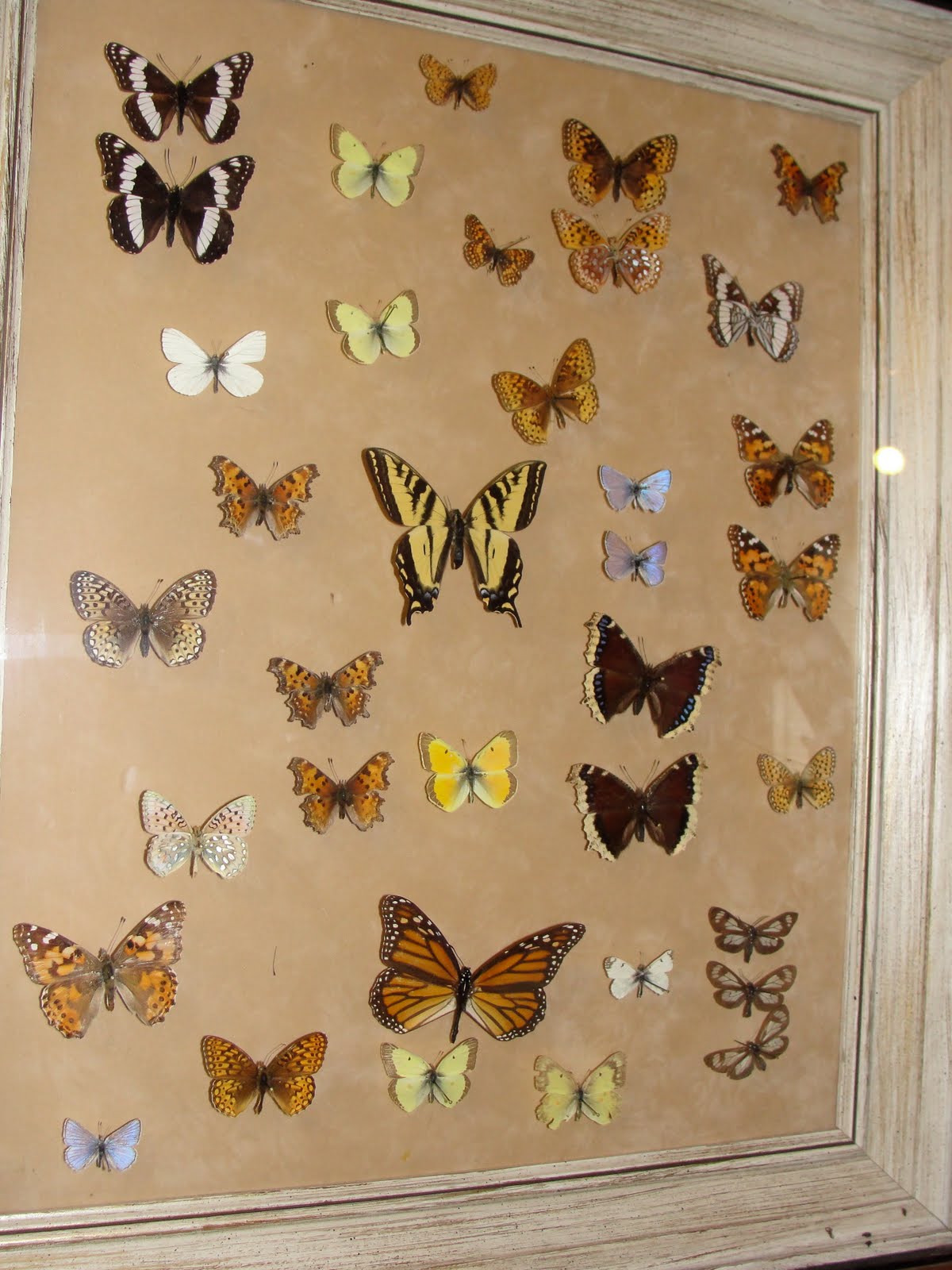
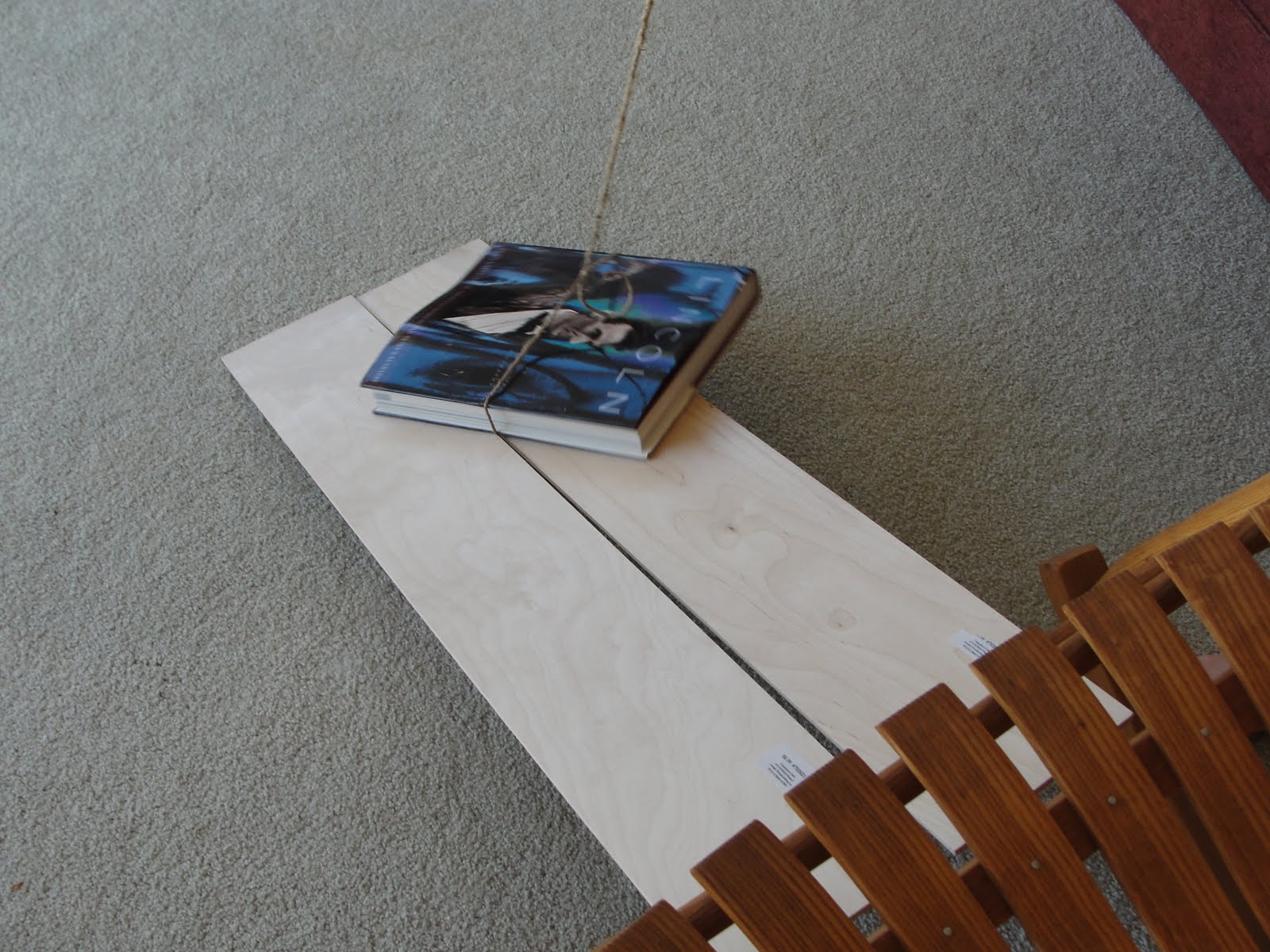
We spent some time outside, sketching and enjoying the flowers in Nana and Papa's backyard. Sometimes Dude gets frustrated when his sketches don't turn out just the way he wants them to, so I suggested that he start a specimen collection. He also pressed some flowers in some heavy books--we'll give them a couple of days and see how they turn out.


Super sketched a pot of marigolds. She worked really hard trying to get the bright orange colors just right.


I sketched one marigold, a columbine leaf, and a couple of aspen leaves.


We also spent an afternoon at a local nature center. Dad says it hasn't changed since he was a kid!


If we're up early enough, we can see red foxes hunting in our neighborhood. I really wanted to touch this one's fur, but I resisted the temptation!


This may seem silly, but being so close to an adult grizzly was unnerving--even though she was stuffed!


Super took this one--I love it!


Of course, we're spending plenty of time outdoors, just enjoying our surroundings.


Pour Moi?


I am so thrilled to receive two blog awards from Debbie at Along the Narrow Pathway! My first ever blog awards! Thanks so much for reading my blog!

So, I'm supposed to tell 7 things about myself.

1. I majored in French in college.
2. I have always loved being around children and known that I wanted to have a family of my own.
2. I love the piney, sagey scent of the mountains near our house.
3. I drink four cups of coffee a day. Two in the morning and two after lunch.
4. I love pugs! I have two of them, and yes, they are allowed on the bed at night!
5. I am left-handed.
6. I like fruit better than chocolate. Isn't that weird?
7. I am WAY cooler now than I was in high school!

Now comes the really hard part... Passing the awards along to seven deserving blogs. I read so many cool, creative and informative ones, it's a very tough decision! Here are just a few that I enjoy...

Masterpiece Theater

Urban Cottage Homeschool

In a Tiny House

Stone Age Techie

Lagniappe Academy

Et Si On Apprenait...a la Maison?

Not Wedgies! WEDGES!

Oh, dear, we seem to have another problem. We really need to split this piece of wood into two pieces. (You're going to have to use your imagination here!) Yesterday, we used a simple machine called a ramp to help us do more work with less effort. But which simple machine could help us do this job?


What we need is some sort of inclined plane that helps split things apart. Something like a...wedge!


Wedges have a pointed edge that makes it easier to push materials apart. Which end of the nail is easier to push into the cardboard? The flat end? Or the pointed wedge-shaped end? The wedge end helps push the cardboard fibers apart.


Wedges are all around us. The blade on an ice scraper is wedge-shaped. So are the blades on scissors and nail clippers. (Scissors and nail clippers are wedges attached to levers.)


Our front teeth are wedge-shaped so we can bite into apples! The blade of a shovel is a wedge that helps push the dirt apart, and the wedge-shaped tines of a fork get between your food and your plate.

Here is a really cute wedge...


We're making an In the Hands of a Child lapbook to record all the cool stuff we're learning about simple machines...


Hey, Mom! Aren't you using little wedges inside a lever there?

Tuesday, August 10, 2010

Simple Machines: Ramps

Oh, dear. We have a problem. We need to get those heavy blocks to the top of Mount Bookmore! If only there was a simple machine to help us!

Simple machines can make work easier for us. For example, have you ever tried to lift a really heavy book with just your index finger? (Don't use your weaker fingers--you could hurt yourself!) That book feels so heavy when you lift it straight up off the floor.

Simple machines to the rescue! A ramp makes the work much easier!


Now try pulling that heavy book with one finger. Doesn't it feel lighter? Of course, the book didn't get lighter. The ramp is helping us do the work. The book may weigh the same, but we can lift it with less effort. (Pugs find ramps exhausting, apparently.)


So, how will we get those blocks up to the top of Mount Bookmore? Oh, excuse me, I have just been informed that these are teeny tiny Egyptians trying to get stone blocks to the top of a pyramid. What will they do? They'll use a ramp, of course! And if they're really smart, they'll use some smooth logs, too.


But using one big steep ramp is awfully hard for those teeny tiny Egyptians. And the taller the pyramid gets, the harder they have to work to get to the top. How can they make the job easier?

Using more ramps! These ramps are not as steep, so walking up them is much easier. Of course, you have to walk a longer distance.

So, what have we learned about ramps?

They are a type of inclined plane. A "plane" is just a surface, and "inclined" just means that it's at an angle. They make it easier to move things. We use ramps all the time, like going down a slide or unloading things from a truck. A lot of building have ramps so people in wheelchairs can get inside.

What have we learned about simple machines?

There are six types: ramp, wedge, lever, wheel and axle, pulley, and screw. They help us do work. They help us get more done with less effort. Mom, are we going to do levers today? Well, when? Tomorrow? Can I use the ramps for my cars now?